In the late nineties, few in the Gulf region looked at advanced polymers as a way to shape the local economy. Sabic already marked its territory, but visionaries at Sipchem saw a real gap. Ethylene vinyl acetate, or EVA, mattered for everything from sports shoes to solar cell encapsulants. Lightweight, flexible, and packing resilience, EVA’s growth mirrored the shift happening in Saudi manufacturing. Sipchem identified EVA’s potential as a bridge between commodity chemicals and higher-value plastic goods. It took courage to invest in local plants, train teams, and develop technical know-how, but Sipchem did exactly that. Instead of simply exporting raw materials, the company committed to building an integrated complex in Jubail. By kickstarting EVA production in 2014, Sipchem brought a new class of polymer capability to the Middle East.
My first encounter with all things EVA wasn’t in a lab—it was in a pair of running shoes that actually cushioned every step on scorching city pavement. Behind those soles sat a chemical—EVA—that quietly did the heavy lifting, blending comfort, durability, and support. Sipchem EVA made its way into these products by showing local converters there was more value in what could be made from it. Lightweight packaging, medical tubes, adhesive films, wire and cable insulation—all these products demand a polymer that bends without snapping, holds color, and outlasts heat and humidity. Sipchem drove technical workshops, field-tested samples with local manufacturers, and tuned formulations for exactly what the region’s markets and climate needed. Today, regional converters rely less on imports and more on solutions tested under the same desert sun.
Choosing EVA is never just about cost. Food packaging suppliers care about purity and safety. Wire and cable makers look for confidence surfaces won’t crack in the heat. Green builders line rooftops with membranes that have to shrug off both UV rays and sandstorms. Sipchem EVA found believers every time technical service teams showed up to troubleshoot, tweak, and simply listen. The company invested heavily in its R&D center, pulling in chemists and engineers who understand exactly how an adhesive should flow, how films should peel, and how insulation should protect. Factory visits became routine, so customer problems became invitations to innovate instead of complaints to solve. After years of stubborn iteration, Sipchem EVA now competes globally, earning certifications from tough markets in Europe and East Asia.
Price shocks and supply snarls never really go away. COVID-19 put local producers through the wringer, with logistics teams scrambling to meet customer orders. Sipchem’s vertical integration, stretching from cracking ethylene through to asset maintenance and logistics, kept EVA lines running while others paused. Close partnerships with regional distributors gave downstream factories confidence to keep orders flowing. Environmental regulations started to shift as well, as local government placed more emphasis on the circular economy. Sipchem responded with recyclable, more environmentally friendly EVA variants, making it easier for downstream users to meet their own sustainability targets. Customers in solar panel encapsulation, footwear, and packaging now ask about carbon footprints as much as properties, so Sipchem EVA releases regular environmental reports audited by third-party agencies.
Every ton of Sipchem EVA represents a job for someone—from plant operators and maintenance engineers to lab techs and logistics managers. The company prioritized skills training from the outset, running technical apprenticeships with local colleges and universities. Instead of shipping out unprocessed ethylene, Sipchem chose to anchor talent and value in Saudi Arabia. Young engineers cut their teeth running the country’s most sophisticated high-pressure polymerization reactors. Experienced scientists mentor the next wave, with knowledge flowing hand-to-hand rather than being locked away in head offices abroad. The knock-on effects ripple by supporting scores of other local businesses—toolmakers, trucking firms, electrical contractors—each contributing to the EVA value chain.
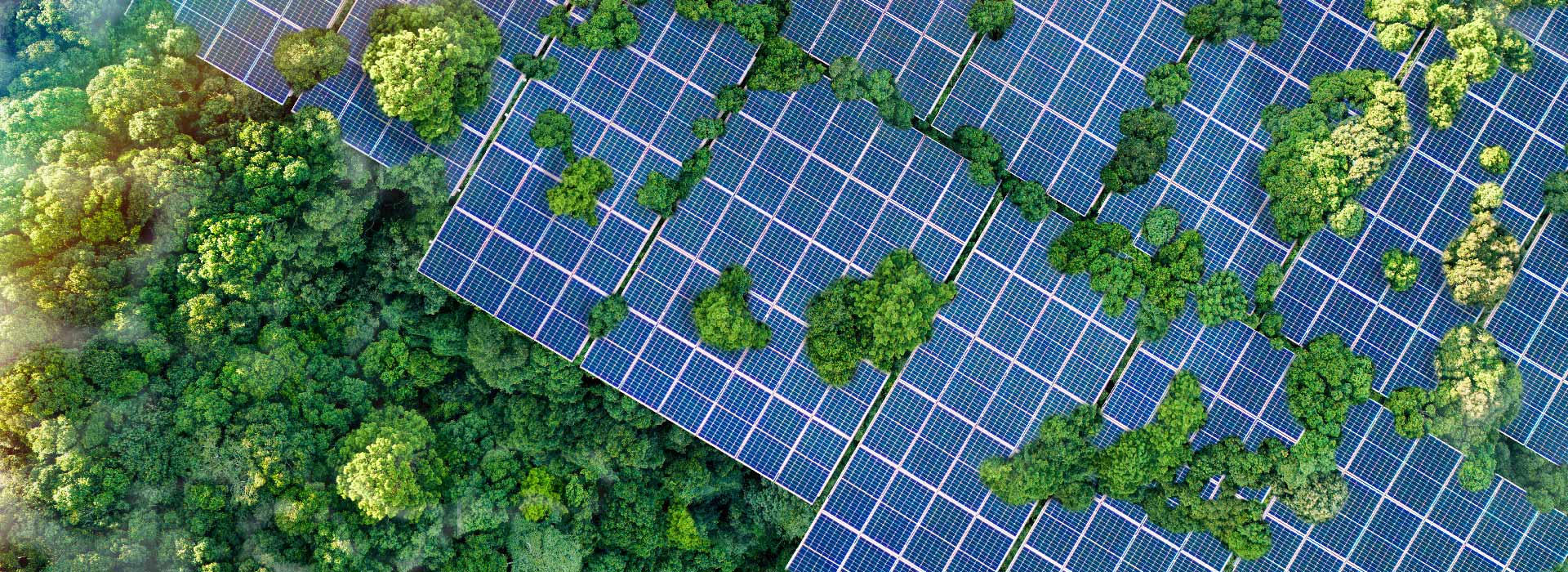
What once started as a gamble by a handful of Saudi investors has turned Sipchem EVA into a regional keystone for advanced polymers. As more industries in the region advance, EVA’s unique blend of toughness and flexibility will get put to work in even smarter ways. Solar farms expanding across the Middle East count on EVA to seal panels for decades of sunshine. Athletic brands rooting their design teams locally want foams and sheets that set new standards for shock absorption and color vibrance. Packaging and healthcare industries keep demanding resins that strike the right balance between safety, durability, and cost. By staying close to every one of these markets, Sipchem never stops fine-tuning its products to solve real-world headaches.
It’s easy to view industrial materials as faceless granules in sacks or drums loaded onto trucks out of Jubail. Dig deeper and you see families whose livelihoods depend on these plants running steadily and safely. You see engineers pushing each other over better processing speeds, color accuracy, and even how pallets get stacked for shipment. I see schoolkids learning that chemistry can shape the world beneath their feet and in their daily gadgets, thanks to local champions like Sipchem. Every batch of EVA that leaves the site comes with pride, backed by teams who believe materials science doesn’t belong only in labs or overseas. It belongs right here, woven into regionally-made goods that match the best the world can offer.


